
Key Takeaways
- Elite athletes and leaders are publicly choosing ibogaine for issues that conventional medicine manages but doesn't resolve
- The shift from shadow medicine to mainstream visibility changes who feels permission to explore this path
- High-performers aren't seeking optimization—they're seeking deep reset and pattern visibility
- South African settings offer integration and cultural respect beyond clinical protocols
- This cultural moment makes healing accessible to people managing high-functioning struggles, not just crisis
Something is shifting in how we talk about pain, performance, and transformation. Five years ago, ibogaine lived in the shadows—whispered about in recovery circles, found only in clinical studies or rumor. Today, Joe Rogan discusses it casually with Hollywood directors. A Navy SEAL shares his journey publicly. A Hall of Famer tackles Parkinson's and TBI with it. A UFC champion calls it an awakening.
This isn't celebrity hype. This is a signal. When high-performers—people with resources, status, and access to the best conventional medicine—choose the medicine, they're saying something important. Not this is for everyone. But: something real is happening here, and I'm willing to be seen with it.
The Voices We're Hearing
In January 2026, Joe Rogan sat down with actor friends and discussed ibogaine openly. No mysticism. Just honest talk about the medicine's potential. A conversation that reached millions became a cultural permission slip: this is worth discussing at the highest levels.
Brett Favre—quarterback legend, Hall of Famer—faced two of the hardest challenges in athletics: traumatic brain injury and the creeping symptoms of Parkinson's disease. Instead of settling for what conventional medicine offered, he sought out the medicine. His willingness to share that journey publicly says this: elite athletes are willing to question the standard playbook when the standard playbook isn't enough.
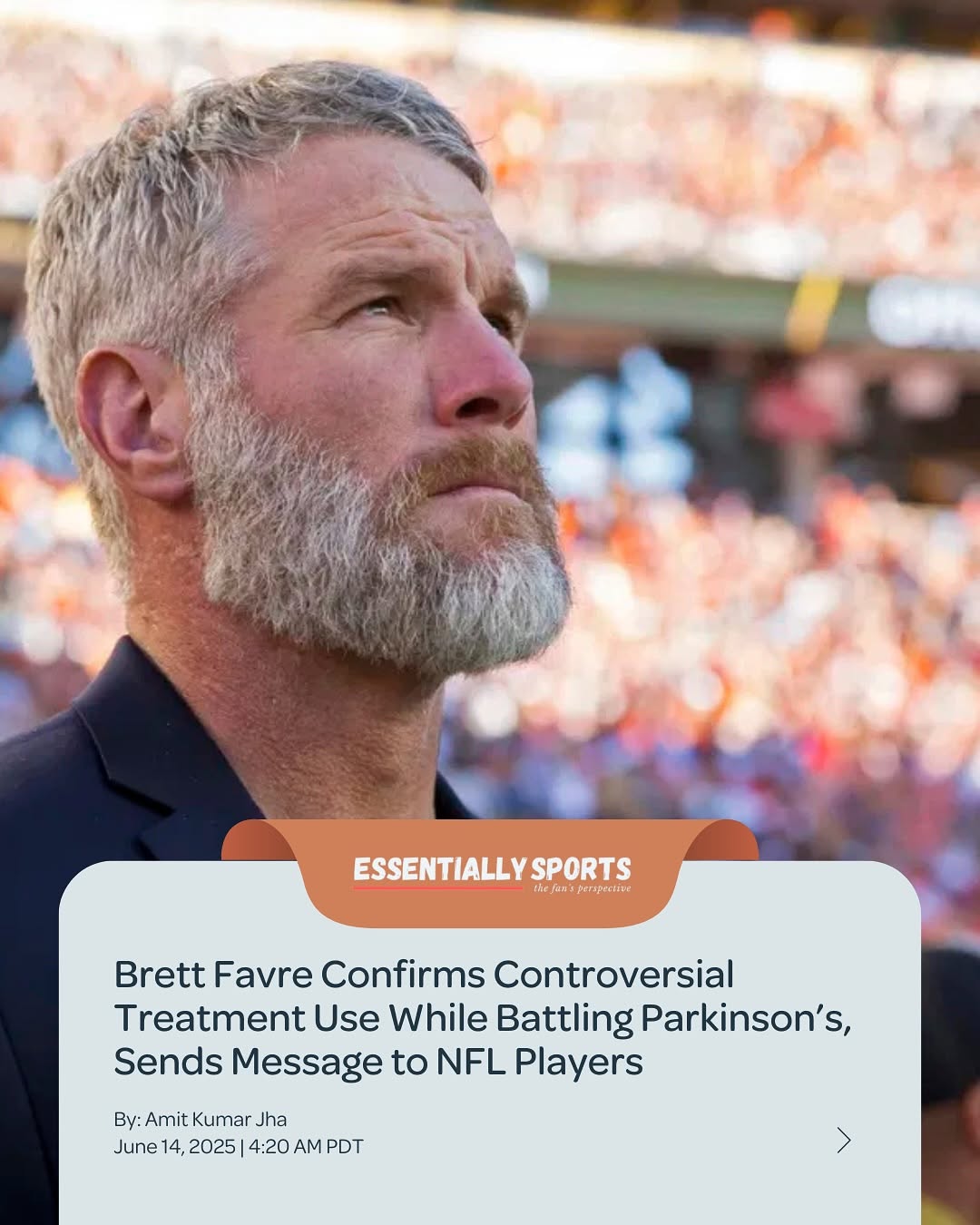
"Nothing's helped like this. I've tried everything conventional medicine offers. Ibogaine showed me patterns I couldn't see any other way."
— Brett Favre (paraphrased from public statements)
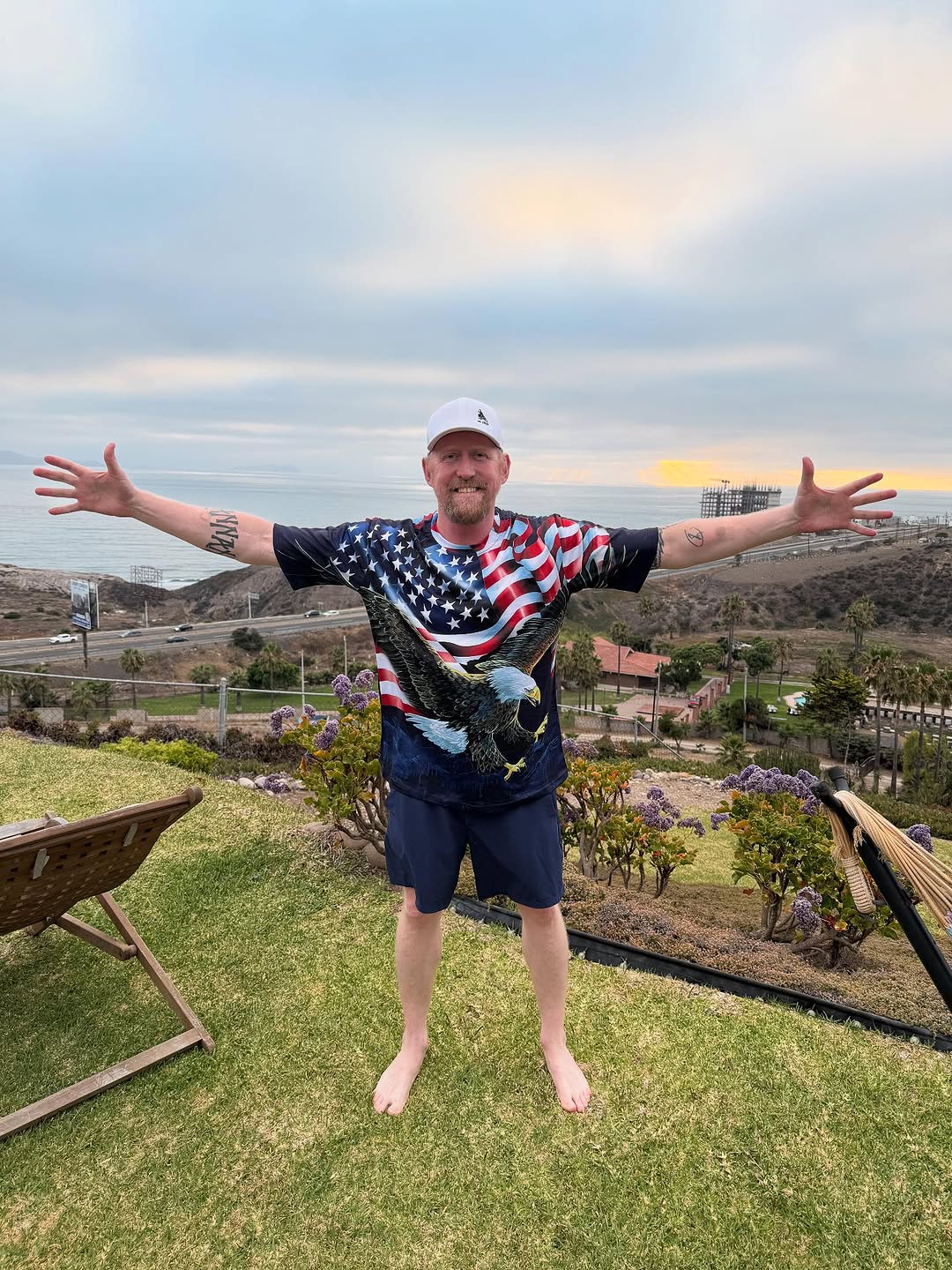
Robert O'Neill served in SEAL Team Six. He lived through combat, loss, and the invisible wounds that no official protocol quite heals. He went to the medicine. Publicly. Navy SEALs are trained for extreme conditions, extreme endurance, extreme discipline. And some of them are saying: this plant medicine works differently than we expected. That matters.
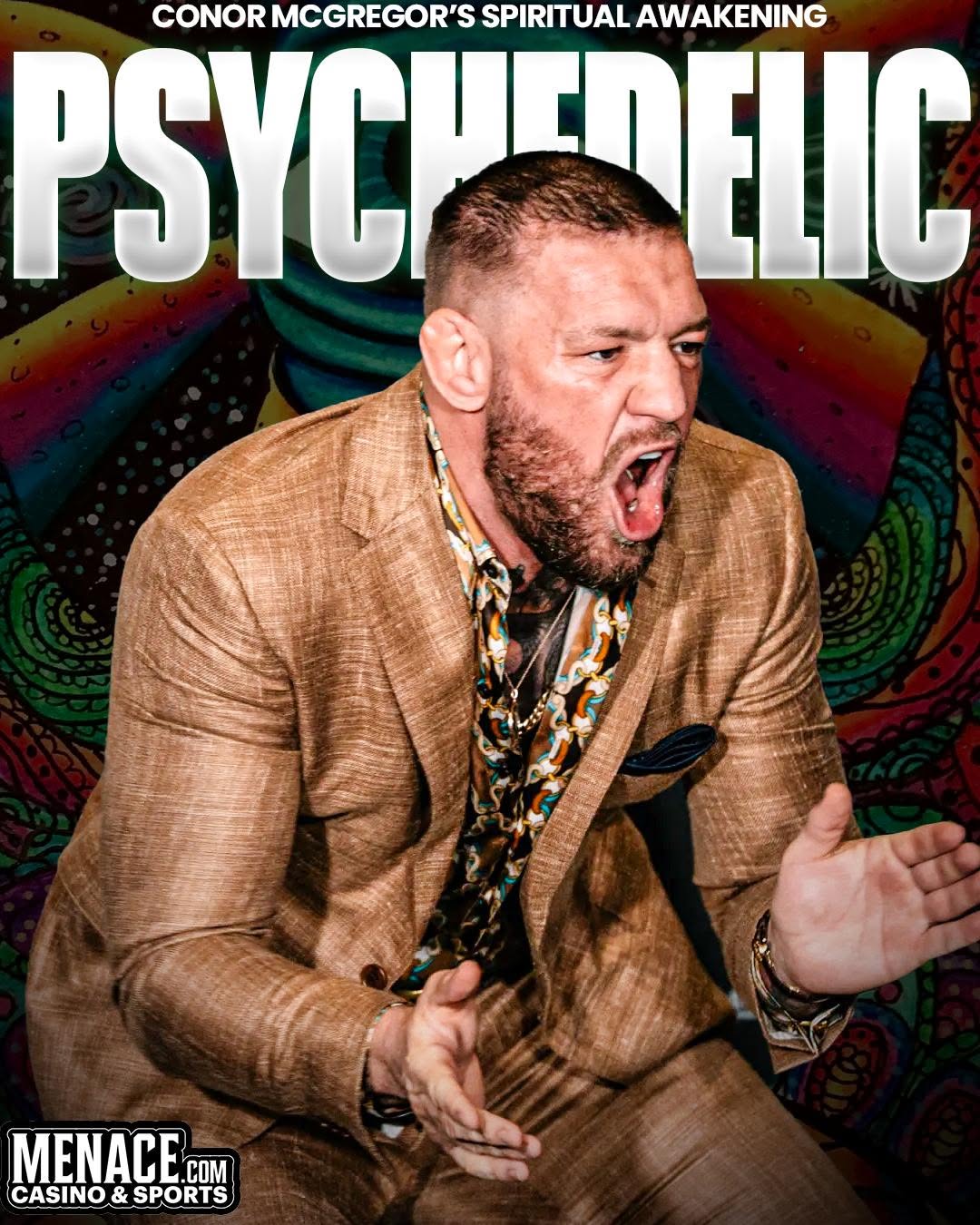
Conor McGregor—world champion, fighter, relentless competitor—called ibogaine "an awakening." Not a performance hack. An awakening. That language tells us something about what the medicine actually does: it doesn't optimize you. It illuminates you.
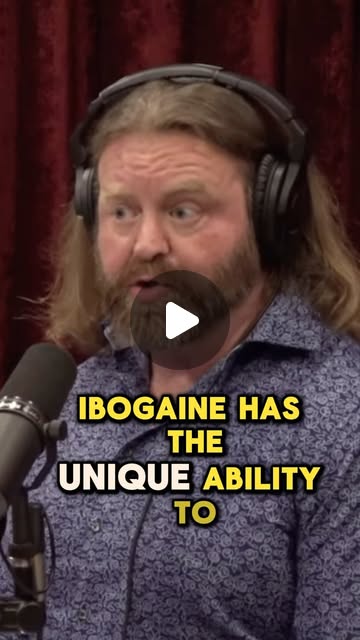
Chris Bell—filmmaker and strength coach—has spent his career documenting human potential and vulnerability. "The alien molecule," he called ibogaine—not as hype, but as recognition. Something wholly other. Something that works on a scale that conventional tools don't reach.
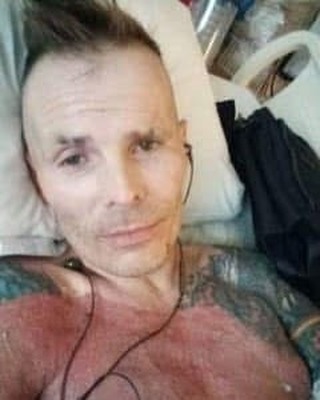
And then there are the quieter stories. People who've been clean for over two years. Who've rebuilt their lives. Who post their before-and-after and let that speak.
Who's Choosing This Medicine—And Why
The public faces choosing ibogaine aren't random. They share a profile: high-achievers who've hit invisible ceilings. Here's how they compare:
| Person | Background | Challenge | Reported Outcome |
|---|---|---|---|
| Joe Rogan | Podcaster, Entertainer | Seeking deeper insight, platform influence | Open discussion of medicine's potential |
| Brett Favre | Hall of Fame Quarterback | Parkinson's, Traumatic Brain Injury | Neurological reset, pattern visibility |
| Robert O'Neill | Navy SEAL (SEAL Team Six) | PTSD, Combat Trauma | Deep nervous system healing |
| Conor McGregor | UFC Champion | Existential clarity, transformation | Described as "awakening" |
| Chris Bell | Filmmaker, Strength Coach | Documenting potential, personal exploration | Recognition of medicine's scope |
| Anonymous guests | Athletes, Entrepreneurs, Professionals | High-functioning struggles, depression | 2+ years sustained recovery, rebuilt lives |
What unites them isn't a diagnosis. It's honest recognition: Something needs to shift, and I'm willing to look beyond the standard map to find it.
Why High-Performers Choose This Path
High-performers—athletes, entrepreneurs, military operators—share something: they've hit walls that effort alone can't overcome. Brain injuries that neurology can manage but not heal. Addiction patterns that rehab addresses but trauma doesn't shift. PTSD that medication numbs but doesn't resolve. Depression that persists even when external success is absolute.
"I've trained my entire life. But you can't train your way out of what's locked in your nervous system."
— A guest who worked with us (confidential)
These are people used to doing. Training harder, working longer, optimizing the variables they can control. And they hit something that discipline can't crack. That's when you start looking beyond the map.
Important Context
Ibogaine isn't for everyone. It carries real medical considerations and works best as part of a full integration protocol, not as a standalone fix. This medicine requires professional medical oversight, screening for cardiac health, and skilled psychological support. The stories here reflect real people's experiences—not guarantees of outcomes.
The medicine offers something different: not a performance enhancement, but a deep reset. Some guests report that ibogaine allows them to see, directly and undeniably, the patterns they've been running on. The strategies that worked at fifteen or twenty-five that are now sabotaging them at forty-five. The stories they built about themselves that have become cages.
How the Medicine Works—What Research Suggests
Research suggests ibogaine works on neuroplasticity—the brain's ability to rewire itself. But the lived accounts suggest something more precise:
Direct pattern visibility: The medicine creates a window where old patterns become undeniable. You see the loop. You see how it started. You see what it costs.
Safe re-processing: In a supported container, difficult memories and beliefs can be examined without the emotional override that usually protects them.
New pathway activation: With old patterns visible and witnessed, new choices become possible. Not magically. But with clarity that months or years of therapy sometimes never reaches.
Integration time: The real work happens after the medicine session. That's why South Africa's approach—with time, space, and witness-based support—is so different from clinic-based protocols.
What This Cultural Shift Actually Means
When celebrities and athletes go public with their medicine use—when they're willing to stake their reputation on it—it's a cultural earthquake. Not because celebrity endorsement creates truth. But because it shifts who feels permission to explore this.
A few years ago, ibogaine was for desperate people. People with nothing left to lose. The cultural narrative was scarcity and desperation. Now the narrative is shifting:
"High-performers are choosing this because it works differently than what's available in the mainstream."
— The new cultural understanding, as of 2026
That changes the person in your mirror. It changes who thinks, "Maybe this is for me."
The high-functioning depressive: Managing symptoms, functioning well, but never quite alive.
The elite athlete with old injuries: Carrying trauma in the body, limited by what conventional PT can reach.
The entrepreneur burning out: Success on the outside, exhaustion on the inside.
The professional managing PTSD: Not in crisis, but not free.
The person stuck in patterns: Recognizing the loop but unable to step out of it alone.
This matters because the people it's reaching now aren't only the ones in active crisis. They're people managing the slow, quiet costs of not being fully okay. And that's a much larger conversation.
If This Resonates With You
You don't need a diagnosis or crisis to explore whether ibogaine might be right for you. What matters is honest recognition: Something isn't working the way it should. I'm willing to look at it. I want real change.
Our screening process is designed to make sure you're a fit, that your health is stable, and that you're ready for the real work of integration. That first conversation is about clarity—not commitment.
Why South Africa. Why This Moment.
Here's what changes when you do this work in Cape Town instead of a clinical basement somewhere: the medicine isn't separated from life. It's held in a place with history, with land, with witnesses from the culture where these medicines originated.
You work in a container that respects the medicine's origins. You walk on African soil. You're not fast-tracked through a protocol; you're invited into a process. The guest houses have gardens. There's time to integrate, to let the work settle into your nervous system, to understand what you've seen.
That's not marketing language. That's the difference between a medical procedure and a genuine healing experience. And it's one reason why people who could afford any clinic anywhere are choosing South Africa.
What This Permission Is Actually For
You might not be a SEAL or a Hall of Famer or a celebrity. But if you're here, reading this, there's probably something you've been carrying. A pattern. A wound. A weight that's become familiar enough that you stopped asking if it could be different.
The cultural shift we're witnessing says something simple: You're not supposed to live like this. The high-performers who've chosen ibogaine didn't do it for optimization. They did it because they got honest about what wasn't working. And they found something that actually helped.
That permission to ask—to question what you've accepted as unchangeable, to consider a different approach—that's available to you now too. Not because anyone famous is doing it. But because the conversation has shifted. The medicine is being held more honestly. And the people guiding the work understand what they're doing.
The guests we've worked with come in all forms: athlete and accountant, artist and engineer, executive and healer. What they share isn't a diagnosis. It's recognition that something needs to shift, and they're willing to do the work to make that real. If that resonates, we're here.