
Key Takeaways
- The JRE effect: Joe Rogan's platform has introduced millions to ibogaine, shifting it from whispered underground to mainstream conversation
- Guest credibility matters: Bryan Hubbard, Rick Perry, RFK Jr., and other prominent guests lend gravity to the conversation
- From stigma to science: Episodes highlight both the healing potential and the integration work required
- The listener demographic: Men 25-45 who trust Rogan's curiosity-driven format are discovering ibogaine as an option
- Not a quick fix: The narrative emerging from JRE isn't hype—it's honest about the medicine's demands and rewards
The Podcast That Changed Everything
Before Joe Rogan started having conversations about ibogaine, it lived in the margins. Underground. Whispered about in harm-reduction circles, discussed in addiction-recovery forums, known to those desperate enough to seek it. But not mainstream. Not something your neighbor had heard of. Not something trending on social.
Then the JRE started opening doors.
What happened wasn't magic—it was something more powerful: permission to ask questions. Rogan's format doesn't preach. He brings guests who've lived the medicine, asks what he genuinely wants to know, and creates space for complexity. No script. No agenda. Just three hours of deep listening.
For millions of listeners, especially men in their 30s and 40s dealing with PTSD, depression, or addiction, this became the entry point. Not a clinical paper. Not a TED talk. A conversation between humans who seemed to give a damn.
Why Rogan's Platform Works
There's a specific alchemy in the JRE format that makes it uniquely effective for ibogaine awareness:
First, Rogan's audience trusts his curiosity. He's not selling anything. He asks naive questions that listeners are already asking themselves. When he leans in to understand how ibogaine works, or what the experience is like, he's modeling permission for his listeners to be curious too.
Second, the three-hour format. A 10-minute news segment can't do justice to a medicine as complex as ibogaine. A panel discussion gets rushed. But three hours? That's enough time to move past the sensational and into the real—the fear, the integration, the questions that matter.
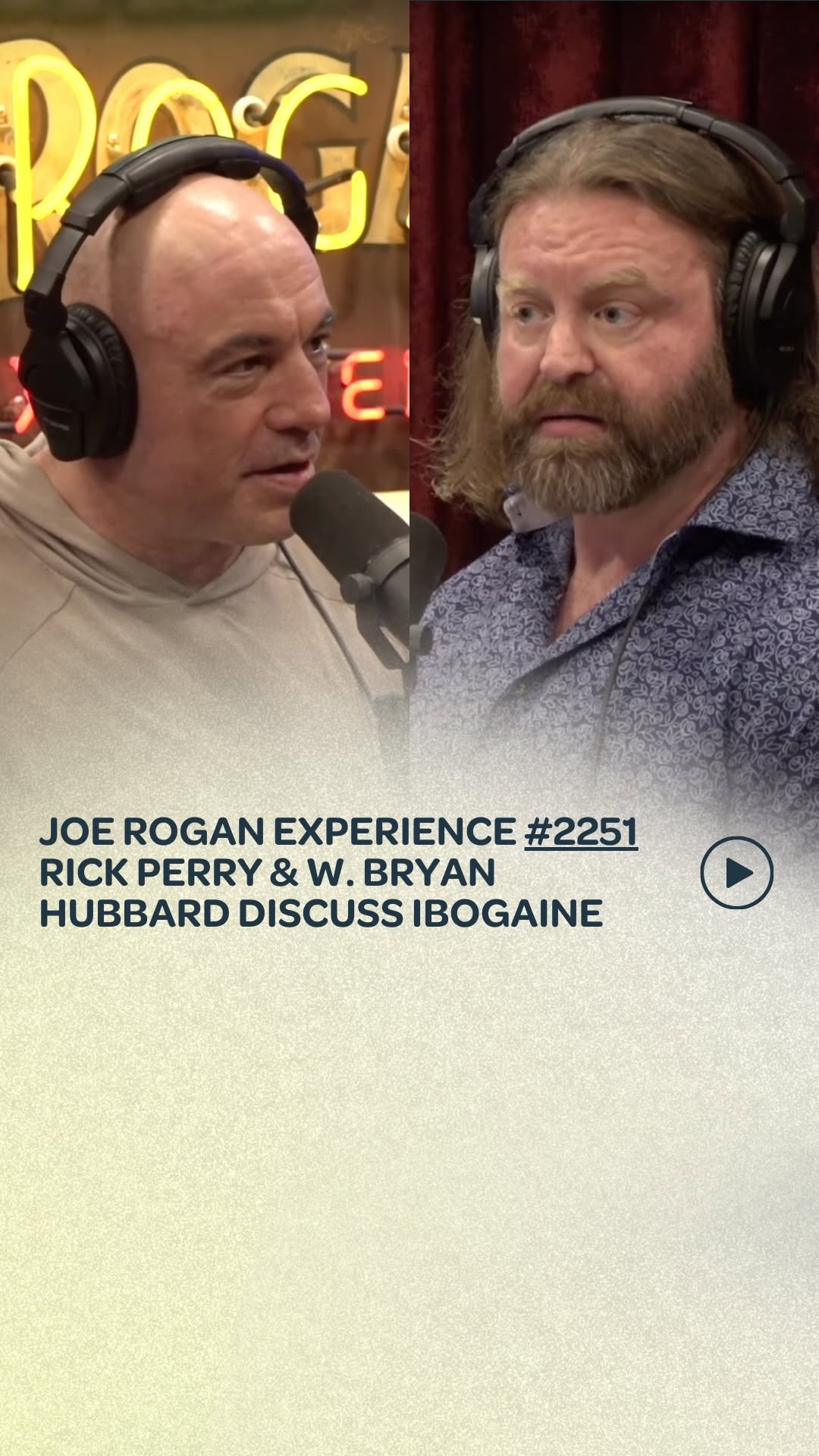
Third, the guests themselves carry weight. Bryan Hubbard and Rick Perry aren't fringe voices. RFK Jr. commands attention in mainstream political circles. Michael Pollan is a respected author and voice in the psychedelic space. When these people sit down and talk honestly about ibogaine, it lands differently than it would from a niche blogger.
The Guests Who Shifted the Narrative
Each JRE episode about ibogaine has brought a different angle, and the guests matter enormously:
| Guest | Background | Key Message | Impact |
|---|---|---|---|
Bryan Hubbard | @ambiolifesciences CEO | Clinical rigor + personal healing | Legitimizes ibogaine as a research-backed medicine, not just anecdote |
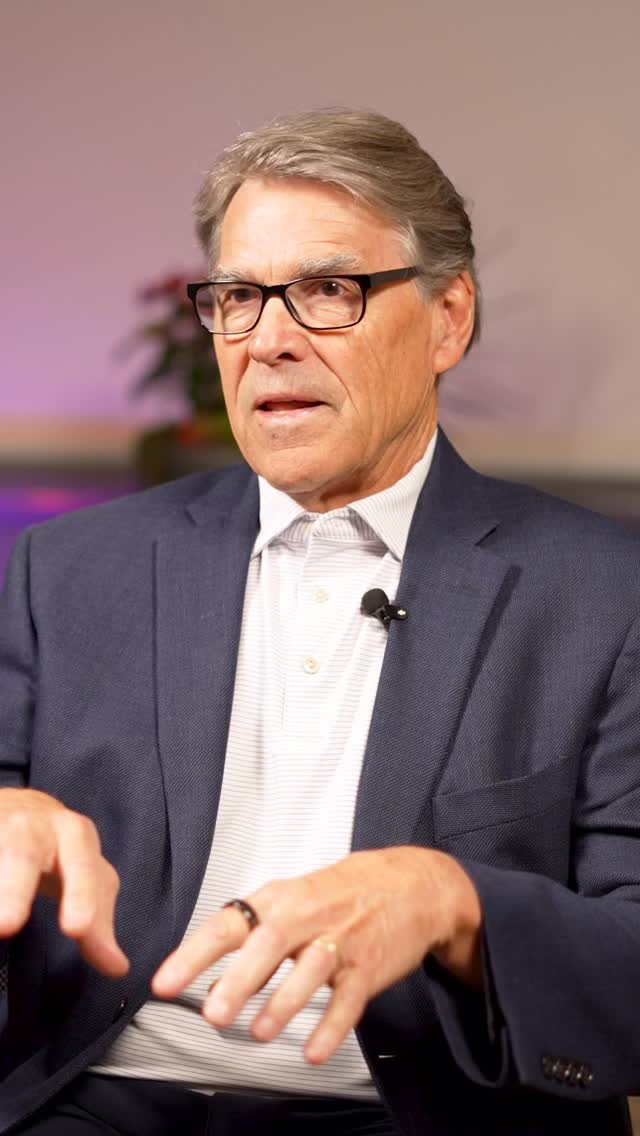
Rick Perry | Former Texas Governor | From skeptic to advocate | Shows that ibogaine isn't 'fringe'—respected leaders use it |
RFK Jr. | Political / Public Health Figure | Federal-level policy shift | Elevates ibogaine from personal story to policy conversation |
Michael Pollan | Science Writer & Author | Psychedelic science in context | Connects ibogaine to broader psychedelic renaissance |
Rob O'Neill | Navy SEAL Team Six | Combat PTSD recovery | Speaks to a demographic (military/combat veterans) who need this conversation most |
What These Episodes Actually Say (and Don't Say)
One of the strengths of the JRE approach is honesty about difficulty. These aren't infomercials. The guests talk about:
The intensity of the experience itself—ibogaine isn't recreational. It's not comfortable. The work is real.
The importance of set and setting—you can't just take ibogaine and hope things get better. Integration matters. Support matters. The container matters.
The gap between research and access—there's growing evidence of ibogaine's potential, but it's not legal everywhere, clinical pathways are emerging, and the medicine remains hard to access for most people.
Beyond the defining moment of Bryan Hubbard and Rick Perry's conversation on JRE #2251, Rogan's broader coverage—including discussions about federal policy and psychedelic science—creates a complete picture where listeners understand both the medicine's potential and its real constraints.
This realistic framing may be why the awareness Rogan's created is sticky. People don't come away with false hope. They come away with respect for the medicine, understanding of the work, and often, a sense that they want to learn more.
Language Note
Listen carefully to how guests describe ibogaine: as 'the medicine,' not 'the drug.' As a 'sacred plant' that demands respect, not a 'breakthrough cure.' The JRE doesn't sensationalize. It deepens.
From Whisper to Algorithm: How Awareness Spreads
The mechanics of how ibogaine awareness spread through JRE are worth understanding:
Episode drops → Clip extraction → Social amplification: A 3-hour conversation becomes 10-15 short clips shared across Instagram, TikTok, YouTube. Each clip finds its audience.
Listen to the full episode: Hours-long conversations attract deep listeners who want nuance
Share specific moments: A 90-second clip of Bryan Hubbard explaining how ibogaine works in the brain travels fast
Guest credibility compounds: When Rick Perry—a former governor—talks about his experience, it signals legitimacy
Search behavior shifts: People who've heard the clips go searching: 'Joe Rogan ibogaine,' 'ibogaine therapy near me,' 'how does ibogaine work'
Community formation: Listeners find each other, forming Facebook groups, subreddits, Discord channels around ibogaine discussion
Important: Awareness ≠ Access
The JRE has created awareness, not necessarily access. Ibogaine remains illegal in most U.S. jurisdictions. Legitimate clinical pathways are emerging, but slowly. The gap between hearing about ibogaine and being able to work with it safely is still wide. This reality check is part of what makes Rogan's guests trustworthy—they acknowledge the limitation, not just the potential.
Who's Listening, and What They're Doing With It
The JRE demographic skews male, 25-45, educated, and curious about unconventional solutions. These are people who might be:
Fighting addiction (or watching someone they love struggle with it) and wanting alternatives to the 12-step default
Dealing with PTSD—whether from combat, trauma, or moral injury—and frustrated with SSRIs alone
Interested in consciousness exploration and willing to take seriously what an indigenous medicine might offer
Skeptical of mainstream narratives but not anti-science; they want evidence and humanity
For this audience, the JRE episodes function as a permission structure. They hear from respected voices that ibogaine is worth exploring, that the work is serious, that there's something there. Many then move into deeper research, seeking out clinical trials, connecting with treatment centers in countries where it's available, or joining communities of people who've worked with the medicine.
The Ripple Effect: Beyond JRE
What's remarkable about the ibogaine awareness that JRE created is how it's multiplied through other channels:
Other podcasts now have ibogaine conversations—often hosted by people who heard about it first on Rogan.
Research institutions are getting funding and attention, partly because awareness has shifted what feels fundable and discussable.
Policy conversations are opening. When RFK Jr. brings ibogaine into federal health policy discourse, he's standing on a foundation of cultural awareness that Rogan helped build.
Treatment providers report increased inquiries from people who heard about ibogaine through JRE.
Community initiatives and advocacy groups (like @americans4ibo) have grown partly because there's now a critical mass of people who know what ibogaine is.
What Comes Next
The awareness Joe Rogan created is still unfolding. As more episodes air, as more guests bring their stories and science, the narrative around ibogaine will continue to deepen.
The real measure of impact won't be in how many people have heard of ibogaine. It'll be in how many of them do the work—seeking legitimate treatment pathways, engaging with integration support, respecting the medicine enough to approach it with preparation and humility.
For now, what's clear is this: Rogan asked the questions his audience was already asking. He brought guests who could answer with both rigor and heart. And in doing so, he moved ibogaine from the underground into cultural conversation.
That shift creates possibility. For the medicine. For those who need it. For the conversation itself.
— Eyeboga EditorialThe medicine doesn't change. The consciousness around it does. And that consciousness—that willingness to ask, to listen, to consider what might help us heal—that's what Rogan's platform created.
For Listeners Ready to Go Deeper
If you heard about ibogaine through JRE and want to explore further, start here: research your local legal landscape, find communities of people with lived experience (not just advocates), and if you're considering treatment, work with established providers who emphasize preparation and integration. The medicine deserves respect. So do you.