Key Takeaways
- Women veterans experience and report PTSD at different rates than men, yet receive less targeted care from VA systems
- Some women vets report ibogaine-assisted healing helps address trauma at neurological and spiritual levels
- Specialized retreats like Temple of Iboga and programs through No Fallen Heroes are creating women-centered spaces for this work
- Research from mPath Therapeutics and other groups suggests ibogaine may help break trauma-substance abuse cycles common in veteran populations
- Integration and ongoing support matter as much as the medicine itself—the work doesn't end when you leave the retreat
The Quiet Crisis: Women Veterans and PTSD
She served her country. She carried weapons, made split-second decisions, and watched friends face danger. But when she came home, her struggle looked different than the veteran sitting next to her in the waiting room at the VA clinic.
Women make up roughly 10% of the active-duty military, yet their experience of combat trauma often gets overlooked. The therapist trained to recognize the nightmares and hypervigilance of the male combat vet might miss the specific ways trauma lives in a woman's body—the way certain sounds trigger her differently, how she processes loss, how service-connected sexual harassment compounds the wound.
The data bears this out: women veterans report PTSD at comparable or sometimes higher rates than men, yet they're statistically less likely to be diagnosed or to seek care through the VA. The gap isn't accidental. It's a mismatch between how care is structured and how women experience trauma.
Traditional VA mental health services—cognitive behavioral therapy, SSRIs, and talk-based approaches—help many veterans. But not all. Some women vets say the clinical model itself feels alienating: sitting in a generic office, describing their pain to a stranger, following a protocol designed from a population-wide study. Others find that years of therapy plateau, that the same tools that once opened doors now feel insufficient.
For a growing number, the answer came from an unexpected direction: the medicine, and the specialized spaces being created to hold women through that work.
When the System Isn't Built for You
The VA's mental health infrastructure is vast and well-intentioned. But it was built largely from the experience of male combat veterans, primarily from recent wars in Iraq and Afghanistan. Women's pathways through service—whether in combat roles, support positions, or spaces where gender-based trauma compounds war trauma—don't always fit neatly into existing treatment protocols.
More subtly, the cultural experience of being a woman veteran differs. Many female vets report feeling invisible, even in veteran spaces. They navigate identity questions: Am I a real veteran? Am I being dramatic? Should I just move on? This layer of self-doubt can keep women from seeking help at all, or from fully committing to treatment when they do.
| Aspect | Typical VA Model | Women-Centered Retreats |
|---|---|---|
Setting | Clinical office, group when available | Individual retreat house, intentional community |
Duration | Weekly 1-hour sessions, ongoing | Immersive 5-7 day retreat |
Modalities | Talk therapy, medication management, CBT/EMDR | Medicine + therapy + body work + integration |
Access | Variable wait times, dependent on location and VA coverage | Requires travel; self-funded or grant-based |
Peer Context | Mixed or gender-mixed groups | Women-only or women-centered cohorts |
The Integration Truth
The medicine is one part. What happens after—the integration, the unpacking, the slow rewiring of how you relate to memory and body—that's where the real work lives. Women-centered programs recognize this by building in months of aftercare and peer support.
Ibogaine and the Trauma-Repair Window
Ibogaine is an alkaloid from the iboga plant, traditionally used in West African ceremonies for rites of passage and spiritual opening. In recent years, research into ibogaine's neurological effects has revealed something striking: the medicine appears to create what some researchers call a "window" for therapeutic work.
Here's what we know from emerging research:
Some guests report that ibogaine creates a kind of mental reset—a temporary reduction in the neural "loops" that keep trauma locked in place. During this window, with skilled facilitators present, people can access memories and emotions that have felt inaccessible. Research from mPath Therapeutics and other groups working with veteran populations suggests the medicine may help interrupt the feedback cycle between trauma and substance use, a pattern devastatingly common in veteran communities.
For women specifically, facilitators and retreat leaders report that ibogaine-assisted work can help guests:
Access embodied memory: PTSD lives in the body, not just the mind. Some women report the medicine helps them feel and release trauma that talk alone couldn't reach.
Reconnect to agency: Trauma often leaves a feeling of powerlessness. Guests report a restored sense of choice and autonomy after the work.
Build sisterhood: Women-centered retreats create peer relationships—other women who understand service, loss, and the specific shape of female veteran experience.
Practice compassion toward self: Years of military training teaches discipline and toughness. Some women report ibogaine work softens that armor in generative ways, opening room for self-kindness.
— Anonymous veteran, Temple of Iboga retreat participantIt wasn't that the medicine gave me answers. It showed me the questions I'd been afraid to ask myself. And then—this matters—there were other women there who'd asked the same questions. That changed everything.
What the Research Actually Says (and Doesn't)
Important clarity: ibogaine is not FDA-approved for PTSD treatment. The evidence is emerging, not conclusive. Some promising signals come from work with Special Forces veterans and substance-abuse populations, but large-scale randomized trials in humans are limited.
What is true:
- Research from institutions like Ambio Life Sciences documents subjective experiences of healing from participants (including military veterans).
- Ibogaine's neurological profile—the way it interacts with serotonin, dopamine, and other systems—suggests theoretical mechanisms through which it might support trauma processing.
- In some countries and medical settings, ibogaine is being studied as a tool for trauma-informed care alongside therapy.
Translation: Some women veterans report meaningful shifts after ibogaine-assisted work. Science can point toward why that might happen, but can't yet claim it as proven treatment. Anyone considering this path should do so with open eyes, curiosity, and skilled guidance—not as a replacement for medical care, but potentially as part of a deeper healing journey.
The Women-Centered Retreat Model
A few organizations have made a deliberate choice to create women-centered or women-dedicated ibogaine retreats for veterans. Two stand out:
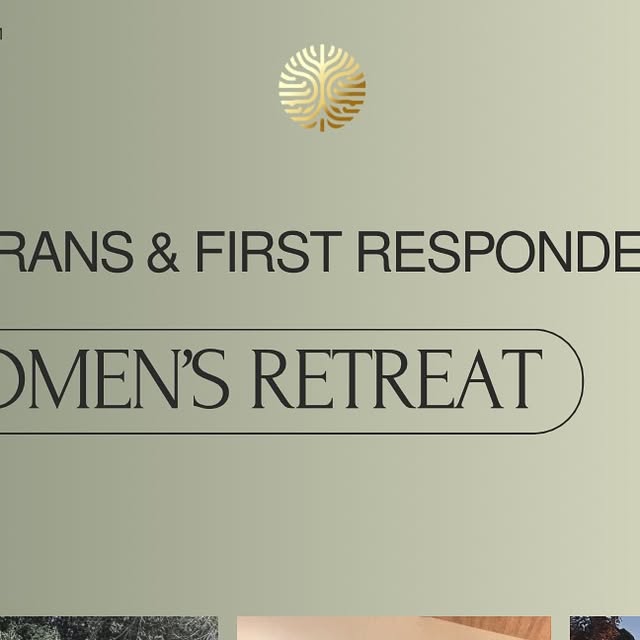
Temple of Iboga runs sponsored retreats specifically for women veterans and first responders, addressing PTSD, anxiety, and depression. The retreats are designed as immersive experiences where women can hold space for each other, facilitated by guides trained in both the medicine and trauma-informed care.
No Fallen Heroes partners with organizations to create peer-based healing experiences for the veteran community, including women-centered programming. Their model emphasizes the importance of community—the idea that healing happens not in isolation, but in relationship.
What makes these spaces different?
Women-only or women-centered cohorts: Participants don't have to explain or minimize their experience for a mixed group.
Veteran-informed facilitation: Guides understand service, deployment cycles, and the specific culture and stressors of military life.
Integration built in: The retreat isn't a weekend; it's part of a longer arc that includes preparation, the medicine, and months of follow-up and peer support.
Affordability and access: Many programs offer scholarships or sliding scale fees, recognizing that many veterans face financial barriers.
Attention to intersectionality: Some programs specifically address the compound trauma of women of color, LGBTQ+ veterans, and others navigating multiple identities within service.
The Hard Conversations
Ibogaine work isn't for everyone. And choosing to go to a retreat comes with real considerations:
Before You Consider an Ibogaine Retreat
- Medical screening is essential. Ibogaine has cardiac effects and interactions with certain medications and medical conditions. A thorough pre-retreat evaluation is non-negotiable.
- It's emotionally intense. The medicine can bring up trauma material rapidly and vividly. This is sometimes necessary for healing, but it's not comfortable.
- Aftercare matters enormously. A retreat followed by silence often leaves people stranded. Ensure the program offers robust integration support—therapists, peer circles, check-ins.
- Cost and access remain real barriers. Many retreats are $3,000–$8,000+ out-of-pocket, even with scholarships. This is not accessible to every veteran.
- Legality is complex. Ibogaine is legal in some countries and in some medical settings; it's DEA-controlled in the US but exists in a gray zone clinically. Know your local laws.
These considerations are significant, but they needn't be obstacles. They're simply part of making an informed choice.
A Broader Shift
What's happening with women veterans and ibogaine isn't isolated. It's part of a larger conversation: Are we asking the VA and traditional mental health to do something they're not designed to do? And if some people heal through plant medicine in intentional community, why do we treat that as fringe when it could be integrated more thoughtfully?
Research from groups like mPath Therapeutics and Ambio Life Sciences suggests ibogaine research will expand. Some states, like Mississippi and West Virginia, are advancing ibogaine research bills specifically for veteran populations. This isn't fringe anymore; it's moving into the broader cultural conversation about how we care for those who served.
For women veterans specifically, the shift is toward recognition: that your experience matters, that the trauma you carry is real, and that healing might look different than the standard protocol. It might mean a retreat house in another country, a medicine older than language, and a circle of women who understand. It might mean months of integration work. It might mean finally, finally, feeling whole again.
— Americans for IbogaineWe honor the urgency around the mental health crisis facing our nation's veterans—and we believe healing pathways matter.
If You're Considering This Path
Start with honest questions:
- Have I exhausted traditional options, or am I supplementing them? Both are valid; just be clear about your intent.
- Can I access robust integration and peer support? The retreat itself is the beginning, not the end.
- Am I working with a qualified, trauma-informed team? Facilitators matter. Ask questions. Insist on credentials and references.
- Is this aligned with my spiritual or philosophical beliefs? You don't have to be spiritual to benefit, but you should feel okay with the environment.
- Do I have financial stability and time? Healing work costs money and requires time for integration afterward.
If you're a woman veteran exploring this: Your pain is real. Your service matters. Healing is possible—and it might not look like what you expected.
For those ready to move forward, there are concrete first steps and resources available.
Resources to Start
Temple of Iboga: Women-specific retreat offerings and veteran support programs
No Fallen Heroes: Peer-based healing for veteran communities
mPath Therapeutics: Ongoing research and educational resources on ibogaine for PTSD
Americans for Ibogaine: Advocacy, research updates, and legislative tracking
Your VA mental health provider: Even if you're exploring alternatives, keep your VA team informed. They're your partners, not your gatekeepers.
The invisible wound of PTSD in women veterans has been invisible long enough. New pathways are opening. The medicine, the community, and the willingness to believe that healing looks different for different people—these are shifting the landscape. If you're a woman vet carrying trauma, know that there are people building spaces specifically for you. Know that your healing matters. Know that you are not alone.